
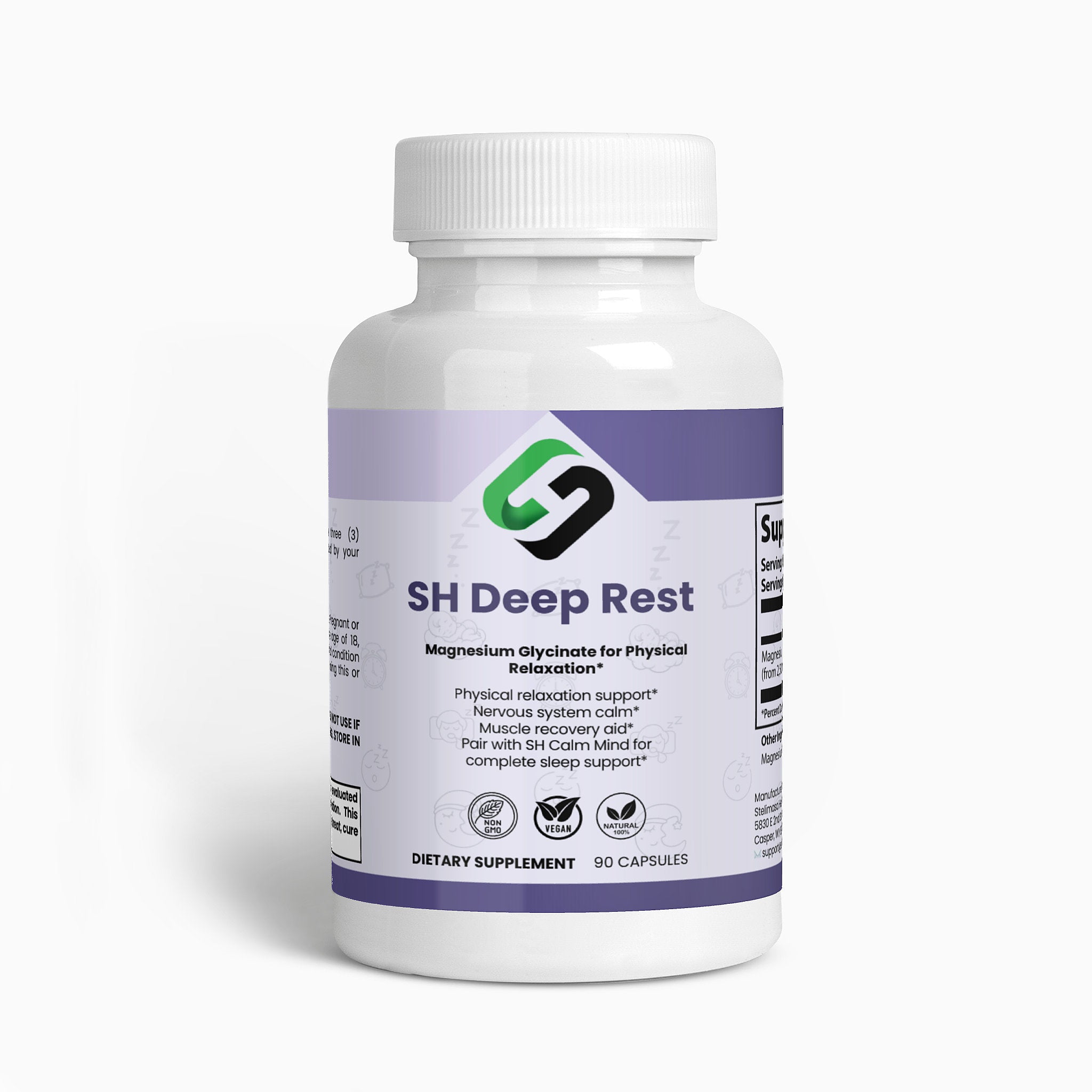
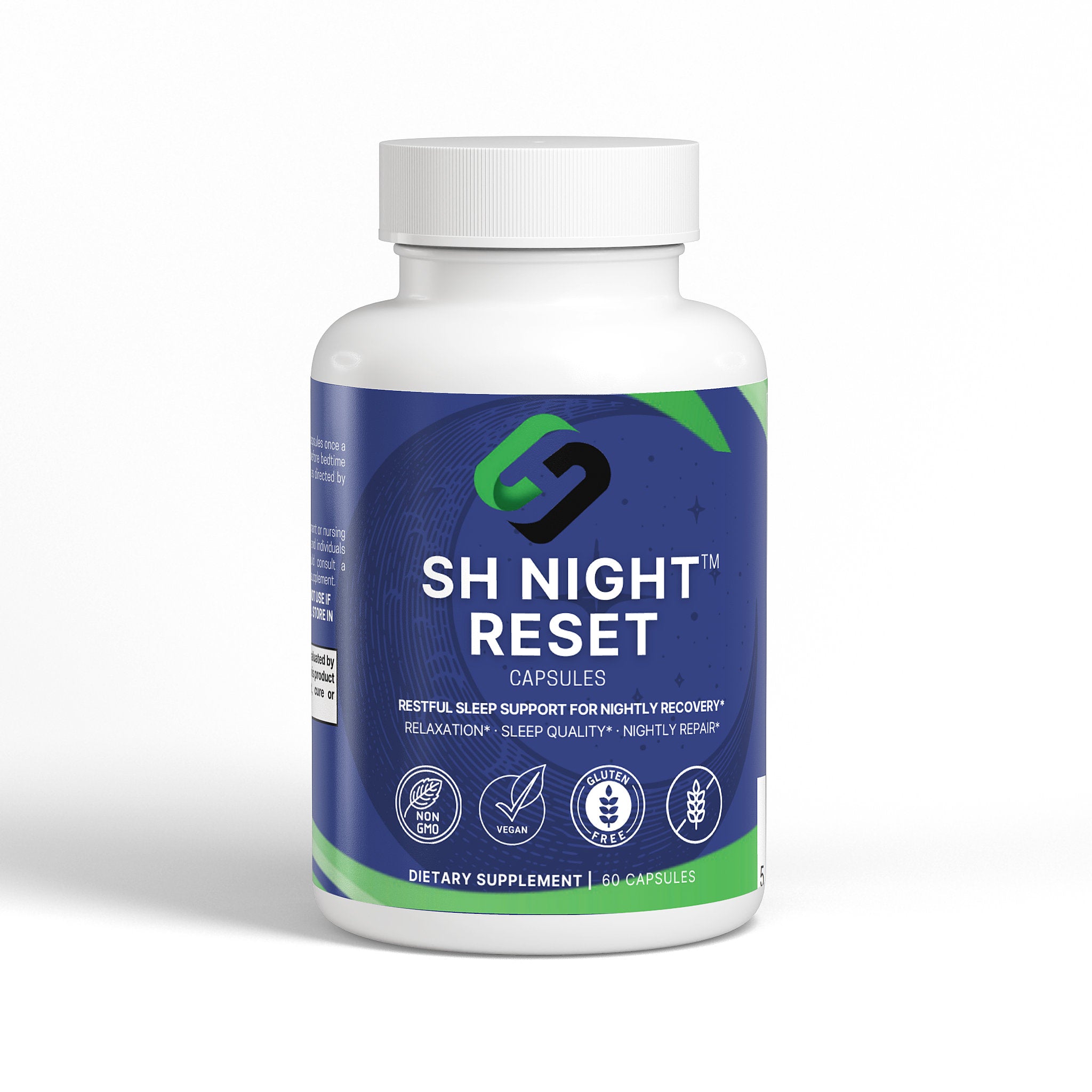
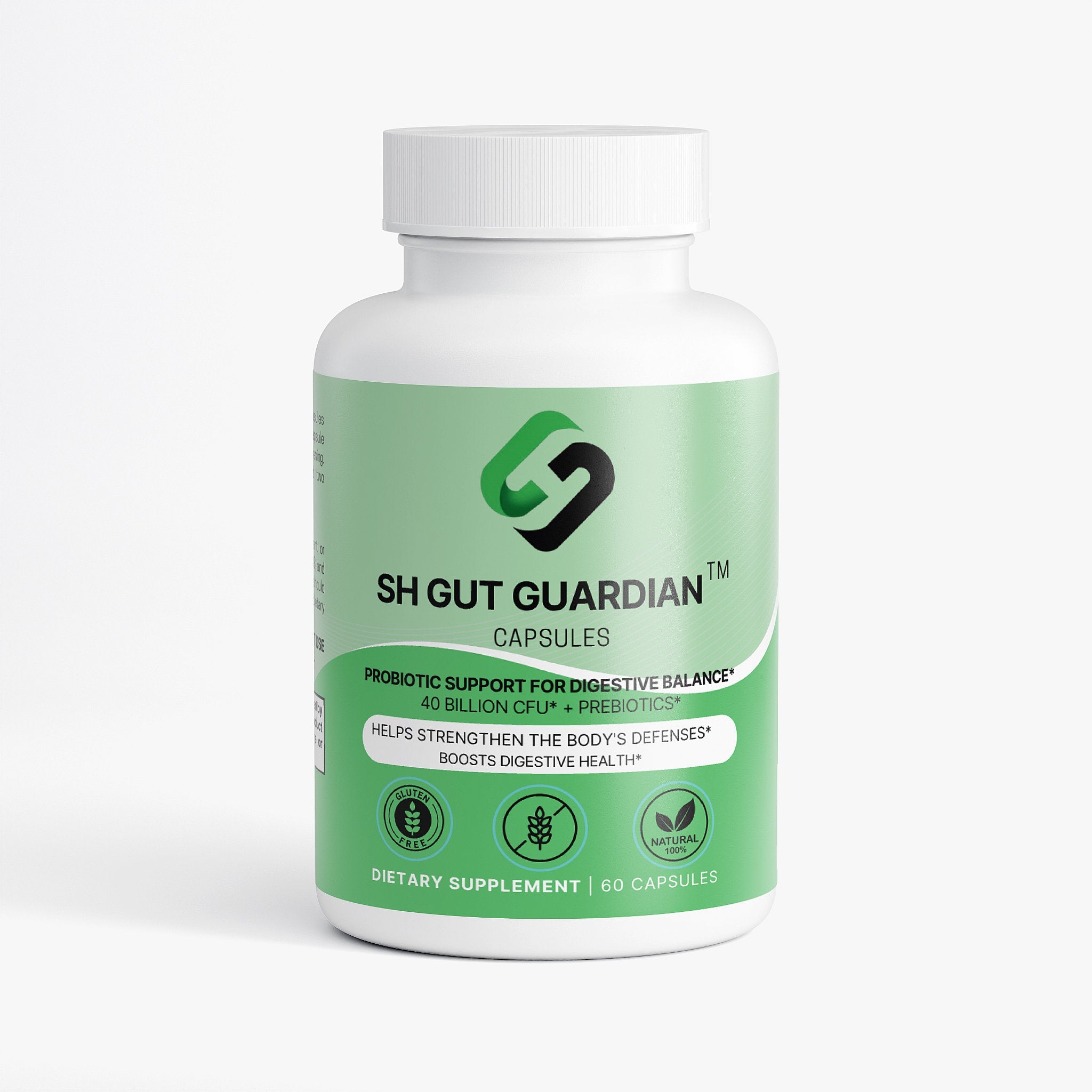
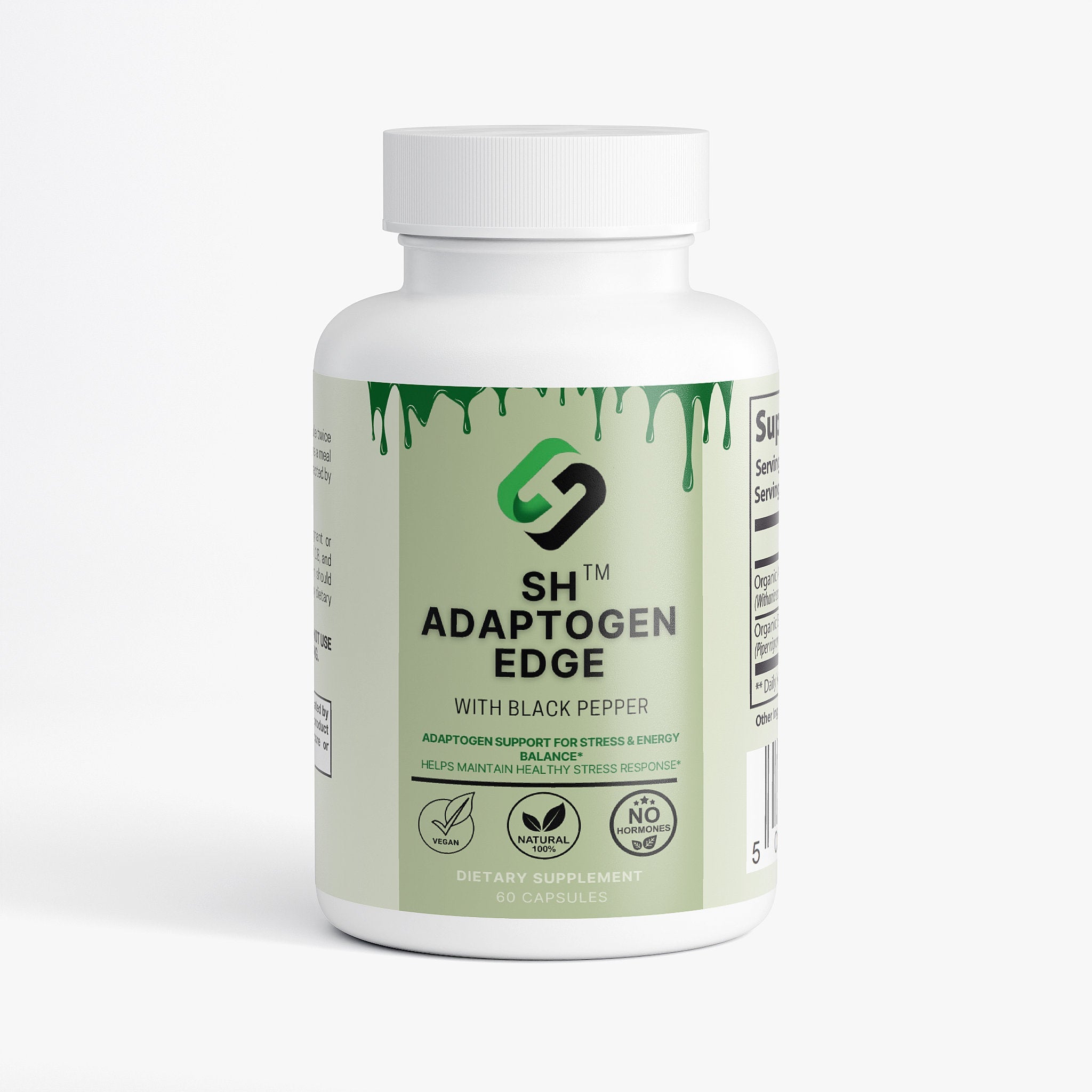


The front of a bottle is marketing space. The Supplement Facts panel, other ingredients, directions and warnings provide the information needed for a more careful comparison.
Begin with serving size
The Supplement Facts panel lists the serving size and servings per container. A displayed amount may apply to two capsules, a scoop or another defined serving rather than a single unit.
Compare the suggested use with the facts panel. Taking more than the stated serving can change exposure to every ingredient and may increase the risk of unwanted effects.
Read amounts and Daily Values carefully
The panel lists dietary ingredients and the amount per serving. A percent Daily Value may be shown where one has been established. More is not automatically better, and a high percentage is not proof that a product is suitable for you.
For proprietary blends, the total blend amount may be listed without the amount of every component. Treat that as a limit on what the label allows you to assess.
Check other ingredients and warnings
Review the other ingredients for capsule materials, flavors, colors, sweeteners and potential allergens. Read directions, storage instructions and warning statements rather than relying on the product name.
Compare the label with medicines and other supplements you already use. Duplicate ingredients can appear across multivitamins, sleep products and condition-specific blends under different product names.
Understand the regulatory boundary
FDA regulates dietary supplements differently from drugs. FDA does not approve most supplements or their labeling before products are sold. A disclaimer or compliant label is not proof that the product will work for a particular person.
Ask a healthcare professional or pharmacist about pregnancy, surgery, chronic conditions, medicines and possible interactions. Report serious problems through FDA's safety reporting routes.
Use a label-first comparison
Compare serving size, ingredient amounts, Daily Values, other ingredients, warnings and the complete daily total from all products before deciding whether a supplement belongs in your routine.
This article is for general information and is not a substitute for medical advice, diagnosis or treatment.

