

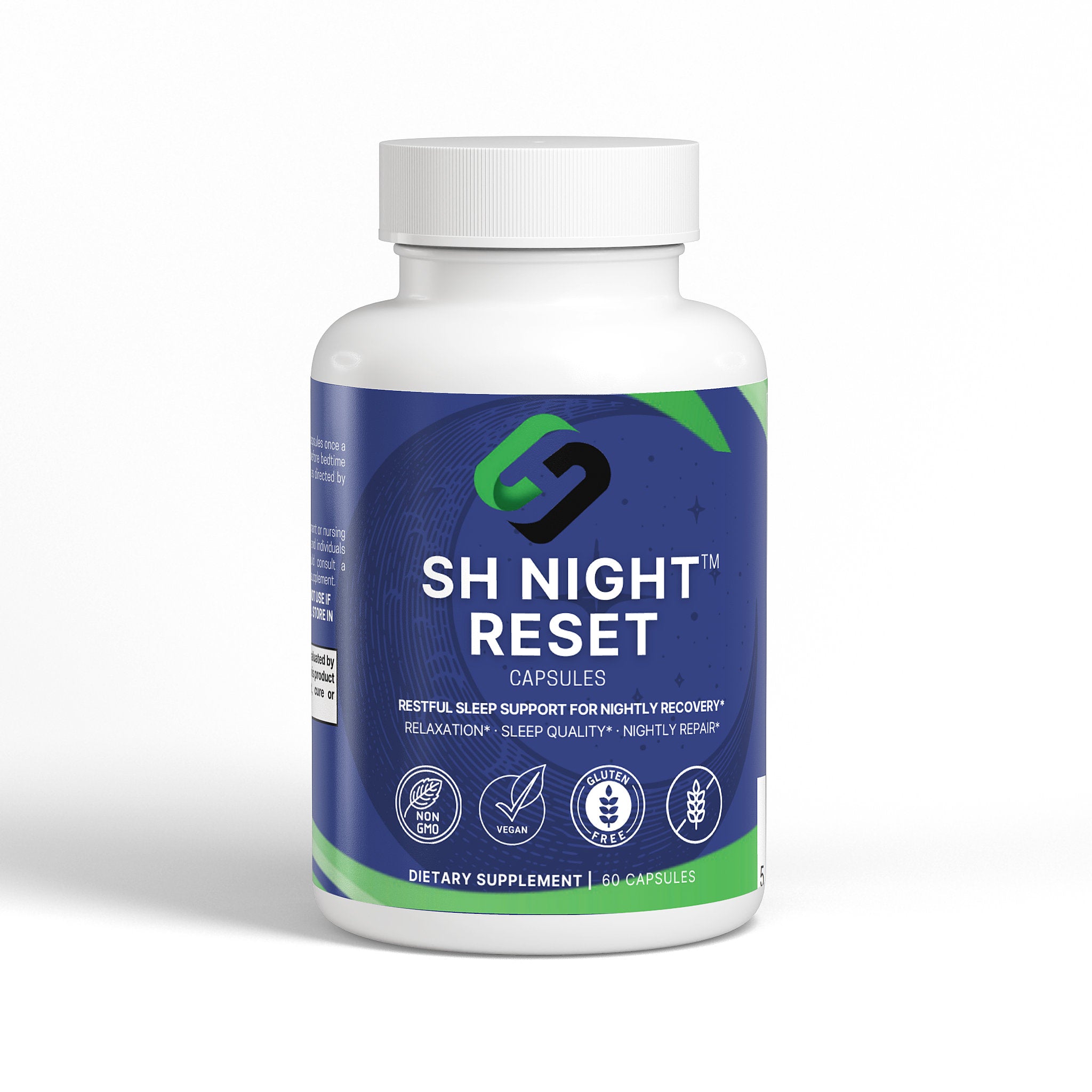




A supplement decision should begin with the problem you are trying to solve, the evidence for the product and the possibility of interactions, not with the confidence of the marketing.
1. What is the specific purpose?
Name the reason for considering the product. A vague goal such as more wellness makes evidence and results difficult to assess.
Consider whether food, sleep, activity or medical assessment should come first. Supplements should not be used to postpone care for unexplained symptoms.
2. What evidence supports it?
Separate research on an ingredient from evidence for the exact formulation and dose. Testimonials, popularity and references to traditional use are not the same as reliable evidence of benefit.
Be cautious with claims that one product can address many unrelated problems or works for almost everyone.
3. What is the full daily dose?
Check serving size and total amount from every supplement you use. The same ingredient may appear in a multivitamin, a sleep blend and a separate single-ingredient product.
More is not automatically better. Some nutrients and ingredients can cause harm at high doses or with prolonged use.
4. Could it interact with medicines or surgery?
Supplements can interact with prescription medicines, nonprescription medicines and other supplements. Some can affect bleeding, sedation, blood pressure or how medicines are processed.
Tell healthcare professionals and pharmacists what you take, including products you use only occasionally. Ask what should be stopped before a procedure.
5. Is it appropriate for this person?
Pregnancy, breastfeeding, age, allergies, kidney or liver problems and other health conditions can change whether a product is suitable.
Do not apply a general recommendation to a specific person without considering their health and treatment.
6. What does the label actually disclose?
Review the Supplement Facts panel, other ingredients, directions and warnings. Note proprietary blends that do not disclose every ingredient amount.
FDA does not approve most dietary supplements before sale. A professional-looking label is not evidence of effectiveness.
7. How will you review the decision?
Decide what outcome would justify continuing and when you will review it. Record when the product started and any unwanted effects.
Stop and seek advice for concerning reactions. Use FDA safety reporting routes for serious problems.
Pause before adding another bottle
Write down the purpose, evidence, dose, interactions, suitability, label limitations and review plan. If those answers are unclear, pause and ask a qualified professional.
This article is for general information and is not a substitute for medical advice, diagnosis or treatment.
